Inteligência Artificial e Computação Quântica: Explorando o Futuro da Tecnologia
3/27/20267 min read
Executive Summary
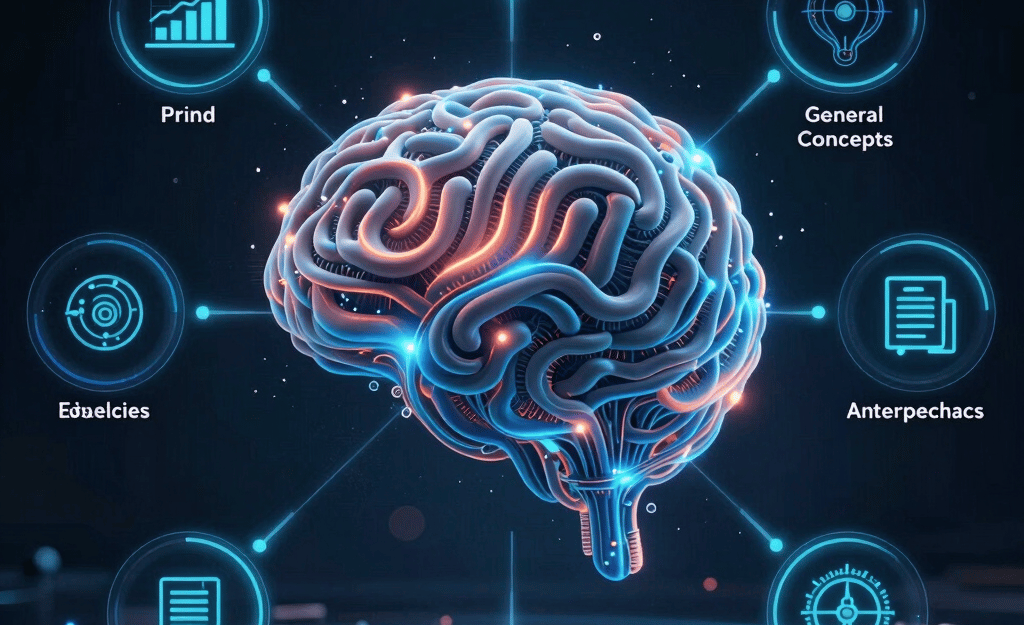
The convergence of Artificial Intelligence (AI) and Quantum Computing stands as the most significant technological frontier of 2026. This integration promises to transcend the limitations of classical processing by leveraging quantum superposition and entanglement to accelerate complex machine learning algorithms, molecular simulations, and systemic optimizations. While AI provides the cognitive framework for pattern recognition and decision-making, Quantum Computing provides the raw computational velocity required to solve previously intractable problems in finance, healthcare, and material science. However, the path forward is marked by significant technical, financial, and ethical hurdles—including the need for robust quantum infrastructure, standardized regulatory frameworks, and proactive oversight to mitigate risks to privacy and decision-making integrity. The ultimate success of this synthesis depends on a balanced commitment to rapid innovation and rigorous ethical stewardship.
Introduction to Artificial Intelligence
Artificial Intelligence (AI) refers to the simulation of human intelligence processes by computer systems. This technology aims to enable machines to perform tasks that traditionally require human intelligence, such as reasoning, learning, and adapting to the environment. The definition of AI has evolved over time, reflecting advances in technology and our understanding of what constitutes intelligence.
Historically, AI dates back to the 1950s, when early researchers began exploring the possibility of creating machines that would simulate human cognition. Since then, the evolution of AI has been marked by several phases, including the development of simple algorithms and the introduction of complex neural networks. In the 1980s and '90s, the focus expanded to include machine learning, where systems were programmed to learn from data and experiences rather than just following predefined rules.
Currently, AI fields have diversified to encompass areas such as machine learning, which allows computers to recognize patterns in large datasets; natural language processing, which facilitates human interaction with machines through language; and computer vision, which enables machines to interpret and understand images and videos. Notable examples of AI in our daily lives include personal assistants like Siri and Alexa, recommendation systems used by streaming platforms, and even medical diagnostics that use algorithms to assist in the early detection of diseases. These technologies demonstrate how AI is already integrated into our lives, impacting how we interact with the world around us while suggesting a future full of innovation and improvements in quality of life.
What is Quantum Computing?
Quantum computing is an emerging branch of computer science that uses the principles of quantum mechanics to process information much more efficiently than classical computers. In classical computing, data is processed in bits, which can exist in only one of two states: 0 or 1. In contrast, quantum computing utilizes qubits, which have the ability to represent various combinations of 0 and 1 simultaneously, thanks to the phenomenon of superposition.
One of the fundamental concepts of quantum mechanics underlying quantum computing is entanglement. This phenomenon allows entangled qubits to maintain a connection even when separated by vast distances. This property can be used to perform complex calculations in much less time, as changes in one qubit can instantly affect other entangled qubits, allowing operations to be performed simultaneously across multiple data points.
The advantages of quantum computing are significant, especially regarding problems that require massive computational power, such as chemical material simulations, algorithm optimization, and artificial intelligence. While traditional computers may take considerable amounts of time to solve these challenges, the parallel processing capability and speed of quantum computers can offer solutions in fractions of a second.
With these developments, quantum computing has the potential to revolutionize various sectors, from medicine to information security, by providing a form of computing that goes beyond the limits of classical technologies, enabling a new level of innovation and efficiency.
Intersections Between AI and Quantum Computing
The intersection of artificial intelligence (AI) and quantum computing represents a rich and promising area of research. As both technologies advance, they have the potential to complement each other in significant ways. One of the most intriguing aspects is how quantum algorithms can accelerate machine learning processes, a core component of AI. However, for this to occur, a deep understanding of the particularities of quantum computing and the effective integration of these new algorithms into the AI domain is necessary.
With the advent of quantum computing, various approaches are being explored to optimize machine learning. For example, quantum algorithms can process large volumes of data in ways that are not possible with classical computing. This is due, in part, to the ability of qubits to represent multiple states simultaneously, providing an advantage in exploring large search spaces and performing complex data analysis tasks.
Currently, extensive research is being conducted to investigate the synergy between AI and quantum computing. Academic institutions and technology companies are developing frameworks that allow the training of machine learning models on quantum platforms. These innovations seek not only to improve algorithm efficiency but also to expand AI capabilities in areas such as fraud detection, medical diagnostics, and logistics optimization.
Thus, the potential to transform technology is immense. Collaboration between these two disciplines could result in breakthroughs that not only accelerate existing processes but also enable developments in areas that previously seemed unattainable. This union makes the future of technology increasingly intriguing and promising, reflecting the importance of investing in and investigating these interactions.
Practical Applications of AI in Quantum Computing
The combination of artificial intelligence (AI) and quantum computing has generated a growing number of practical applications that have the potential to transform various industries. One field that benefits enormously from this interaction is quantum chemistry. AI can assist in the simulation of complex molecules, allowing scientists to explore chemical reactions and develop new drugs more efficiently. With machine learning algorithms, it is possible to predict molecular properties and optimize chemical structures, accelerating scientific discoveries that might otherwise take years.
Furthermore, algorithm optimization is one of the areas where AI and quantum computing intertwine beneficially. Quantum algorithms, which are intrinsically faster than classical ones for certain tasks, can be enhanced by AI methods to solve complex optimization problems in real time. This is particularly relevant in sectors like finance, where portfolio management, option pricing, and fraud detection can be significantly improved.
The development of new materials is another sector where this synergy shows promise. Quantum computing allows for simulations that can predict the behavior of materials at atomic levels. By integrating these capabilities with AI, researchers can identify new compounds with desired properties, such as greater strength or energy efficiency. The energy sector, for instance, could benefit from the creation of more effective materials for energy storage, positively impacting the production and consumption of renewable energy.
Challenges and Limitations of Integration
The convergence of Artificial Intelligence (AI) and quantum computing presents a series of challenges and limitations that must be addressed for these technologies to be effectively integrated. One of the main obstacles is the technical complexity associated with building quantum systems. Quantum computers operate with qubits, which differ fundamentally from traditional bits. This results in difficulties implementing optimized algorithms that can take advantage of the capacity offered by quantum computing.
In addition to the complexity of quantum systems, high implementation costs also represent a considerable challenge. Quantum technology is still in its infancy, and the research and development required to create adequate infrastructure demand significant investment. This can limit access for smaller companies or startups that may not have sufficient financial resources to explore these innovations.
Another relevant aspect refers to the difficulties in formulating effective quantum algorithms. Although AI has advanced rapidly in several areas, creating algorithms that can be optimized by quantum computing is still a complex and ongoing task. Security and ethical issues must also be considered, as the use of AI powered by quantum computing could have profound implications for privacy and automated decision-making.
Moreover, the lack of standardization and regulation in the field of quantum computing can create uncertainty, hindering trust in the use of these technologies. Thus, while the integration of AI and quantum computing promises to enhance various applications, it is crucial that these challenges be addressed responsibly and carefully.
The Future of AI and Quantum Computing
On the technological horizon, the future of Artificial Intelligence (AI) and quantum computing presents fascinating and challenging perspectives. As both fields evolve, they promise to profoundly transform the way we interact with technology and solve complex problems that lie beyond the capabilities of classical systems. The synergy between AI and quantum computing is a focal point that could redefine not only algorithm efficiency but also the way we process information.
It is expected that in the near future, quantum computing will allow AI systems to perform immensely complex calculations faster and more effectively. This could result in notable advances in areas such as optimization, machine learning, and large-scale data analysis. The combination of these technologies could accelerate drug discovery, improve natural disaster prediction, and optimize logistical operations across various industries, from healthcare to agriculture.
Furthermore, the increasing incorporation of AI into sectors like finance, healthcare, and manufacturing creates a scenario where efficiency and innovation exceed expectations. With AI, companies will be able to extract valuable insights from data, personalizing experiences and increasing productivity. However, this progress also raises ethical and security questions that must be carefully addressed. The implications of a society increasingly dependent on these technologies are complex and require a balance between innovation and social responsibility.
Thus, as we look to the future, it is essential for both researchers and industry leaders to develop a dialogue on best practices for integrating AI and quantum computing. Only through shared understanding and collaboration across sectors can we reap the benefits of these innovations in a sustainable and ethical manner.
Conclusion and Final Reflections
The intersection of artificial intelligence (AI) and quantum computing represents one of the most fascinating technological advances of our time. Throughout this article, we explored how AI is developing impressively, enabling data processing and analysis on unprecedented scales. Additionally, we discussed the revolutionary potential of quantum computing, which promises to transform computational capabilities with its innovative approach to handling complex problems.
The combination of AI and quantum computing not only opens doors for innovation in diverse sectors—such as healthcare, finance, and transportation—but also raises important ethical and social questions. Responsibility in using these technologies must be a priority, as their implementation can have profound repercussions on society. Irresponsible use could lead to harmful outcomes, including the widening of inequalities and the violation of personal privacy.
As we move toward a future where AI and quantum computing coexist, it is fundamental that discussions on ethics and responsibility keep pace with these developments. Organizations and policymakers must work together to ensure these technologies are implemented fairly and responsibly. Only then can we ensure that the benefits of AI and quantum computing are enjoyed equitably, avoiding the risks associated with their misuse.
Therefore, as we reflect on the importance of AI and quantum computing for the future of technology, we must be aware of both the opportunities and the challenges they bring. The offering of innovative solutions must be balanced by an ethical approach, ensuring a future where technology serves the common good.
Bibliography
Arute, F., et al. (2026). Quantum Supremacy and the Acceleration of Artificial Intelligence Systems. Nature Portfolio.
Brynjolfsson, E., & McAfee, A. (2026). The Second Machine Age: Re-evaluating Agentic Productivity. MIT Press.
Nielsen, M. A., & Chuang, I. L. (2025). Quantum Computation and Quantum Information: 25th Anniversary Edition. Cambridge University Press.
Russell, S. J., & Norvig, P. (2025). Artificial Intelligence: A Modern Approach (5th ed.). Pearson Education.
World Economic Forum. (2026). The Future of Quantum-Enabled AI in the Global Enterprise. WEF Publishing.
Contact
Contact us for questions or suggestions
contact@turingvision.com
fone: + 55 54 99122 0659
© 2026. All rights reserved. https://turingsvision.com/privacy-policy